Nervous Driver Lessons in Tri-Valley
Many people find driving daunting, especially when anxiety appears behind the wheel. Nervous-driver lessons help learners work through fear and build confidence. In Tri-Valley, instructors provide a supportive setting where students address worries step by step while practicing essential skills. This article explains how these lessons ease driving anxiety, common causes of nervousness, the techniques instructors use, what to expect in lessons, how plans are personalized for different ages, and how test preparation supports confidence.
How Do Nervous Driver Lessons Help Overcome Driving Anxiety in Tri-Valley?
Nervous-driver lessons provide a clear framework to confront and manage anxiety in a safe, supportive environment where learners practice at their own pace. Instructors use gradual exposure and positive reinforcement to increase comfort, with the aim of helping drivers gain confidence and make driving a more positive experience.
What Causes Driving Nervousness and How Are Lessons Tailored?
Nervousness often stems from past negative experiences, fear of accidents, or limited driving practice. Triggers vary by person, so lessons are adapted to each student's needs. Instructors review a learner's background and comfort level to create a personalized plan targeting specific challenges.
Which Anxiety Management Techniques Are Used During Lessons?
Instructors teach several anxiety-management techniques to help students cope. These include:
- Breathing Exercises: Teaching students to control breathing can reduce anxiety before and during driving.
- Visualization Techniques: Encouraging learners to visualize successful driving experiences builds confidence and reduces fear.
- Gradual Exposure: Introducing driving situations incrementally lets students build confidence without becoming overwhelmed.
Instructors weave these methods into lessons to provide a rounded approach to managing driving anxiety.
What Should You Expect During Nervous Driver Lessons in Tri-Valley?
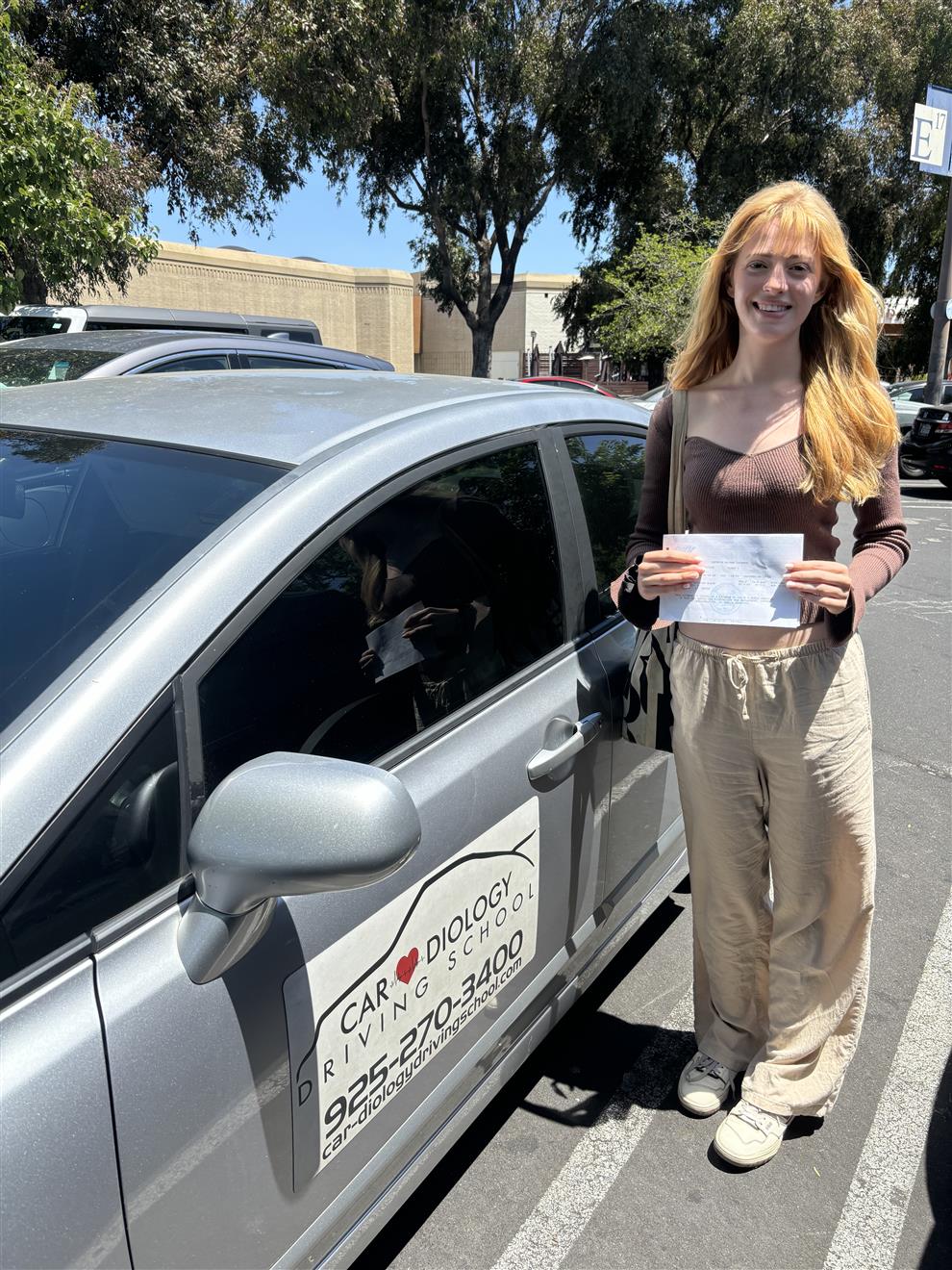
Lessons follow a structured but flexible plan. Sessions typically begin with a short discussion of the student's feelings and concerns, followed by guided driving scenarios that start easy and increase in difficulty as comfort grows. Sessions usually last about two hours, leaving time for practice and feedback. Car-Diology Driving School offers lessons tailored to nervous drivers in the Tri-Valley area. Their instructors emphasize a calm, supportive atmosphere so students feel safe and build confidence throughout their learning.
How Are Personalized Lesson Plans Designed for Teens and Adults?
Personalized lesson plans address the distinct needs of teens and adults. For teens, lessons emphasize foundational skills and safe driving habits; for adults, instructors often focus more on overcoming specific anxieties or past negative experiences. Each student sets goals with the instructor so lessons foster steady growth and confidence.
What Is the Typical Lesson Structure and Duration?
A typical lesson mixes instruction, practice, and feedback and generally follows this format:
- Introduction: Discussing the student's feelings and setting goals for the lesson.
- Driving Practice: Practical driving exercises tailored to the student's skill level.
- Feedback Session: Reviewing the lesson and identifying areas for improvement.
Most lessons last around two hours, which gives enough time to practice and receive constructive feedback.
What Steps Are Included in Driving Test Preparation?
Test preparation usually covers several key steps:
- Understanding Test Requirements: Instructors explain what to expect during the driving test, including specific maneuvers and rules.
- Mock Tests: Practice tests simulate the actual experience and reveal areas that need more work.
- Reviewing Feedback: Discussing mock-test performance and receiving targeted tips for improvement.
How Do Lessons Build Confidence for the Driving Test?
Lessons build confidence by gradually increasing the complexity of driving tasks. Instructors give positive reinforcement and clear, constructive feedback so students can track progress. This prepares learners for the test and helps create lasting confidence on the road.
Who Are the Calm Driving Instructors at Car-Diology Driving School in Tri-Valley?
All Car-Diology instructors are trained to work with nervous drivers. They recognize common challenges and use calming techniques to create a supportive learning environment. Their goal is to help students feel at ease while they develop practical driving skills.
What Qualifications and Experience Do Instructors Have?
Car-Diology instructors hold required certifications and bring extensive experience in driver education. They are trained to manage various driving situations and to provide emotional support to nervous learners. This combination of credentials and experience ensures students receive high-quality, tailored instruction.
How Do Instructors Support Nervous Learners Emotionally?
Instructors support nervous learners through active listening, empathy, and encouragement. By building trust and showing understanding, they help students manage anxiety and achieve their driving goals.